
Aircraft Care & Management
A Comprehensive Guide
Mastering General Aviation Aircraft Management
General aviation aircraft management encompasses a wide range of activities aimed at ensuring the optimal operation and maintenance of privately owned or operated aircraft. From logistical planning to maintenance oversight and regulatory compliance, effective aircraft management is essential for maximizing safety, efficiency, and the overall value of the aircraft investment. In this write-up, we delve into the key aspects of general aviation aircraft management and provide valuable insights for owners and operators to navigate this complex and rewarding field.



Aircraft Maintenance
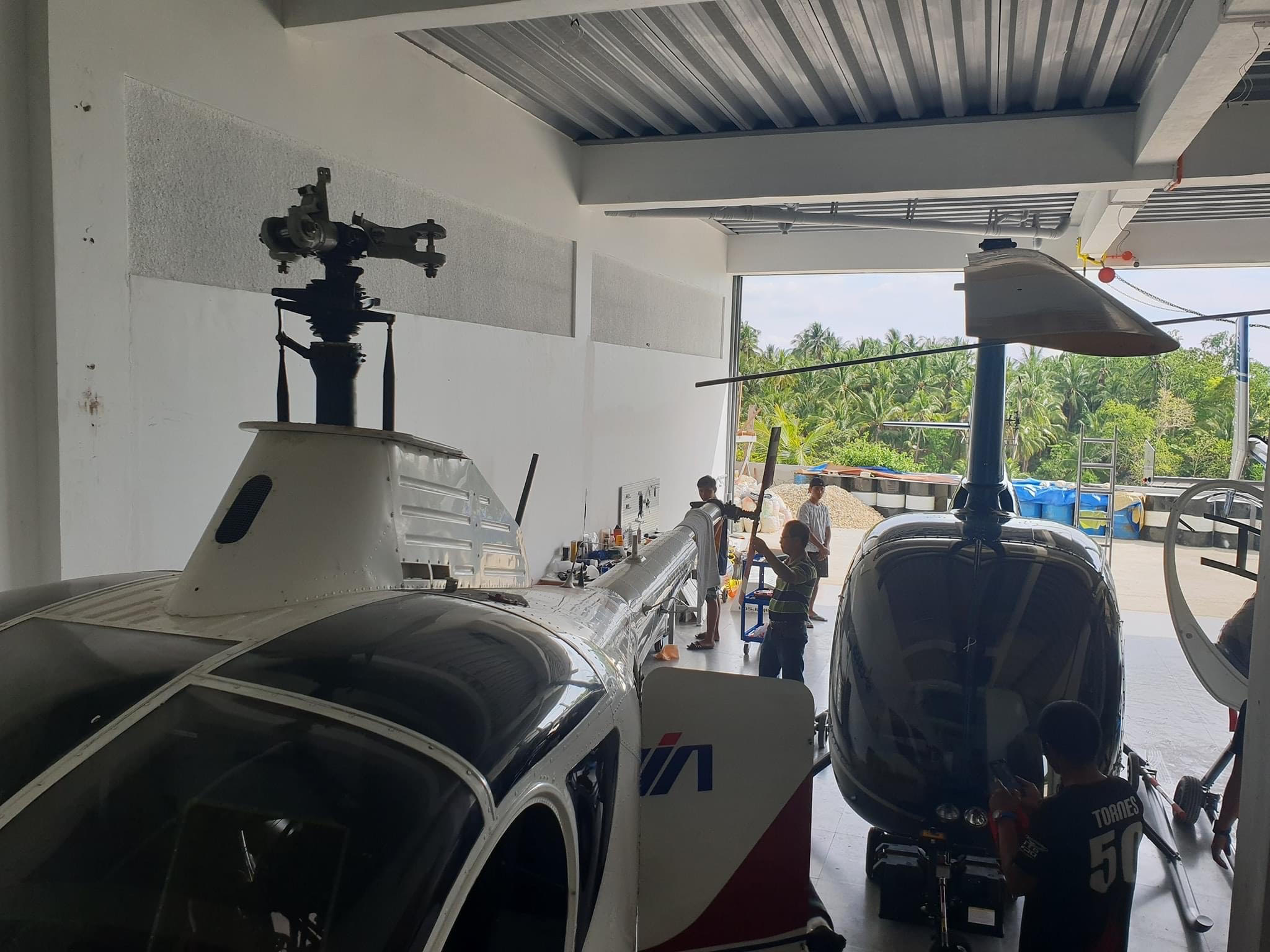
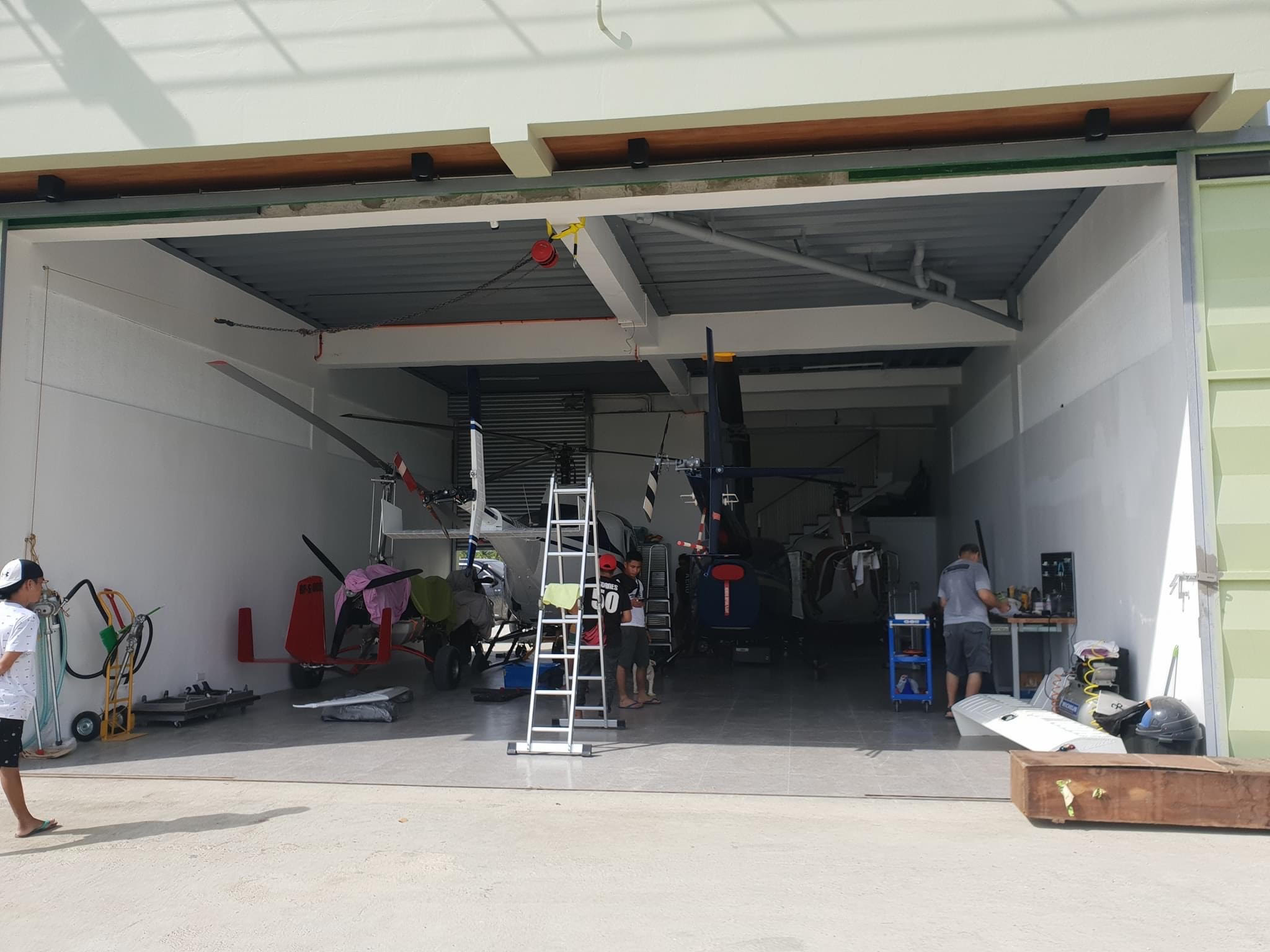
Proper maintenance is crucial for the safety and longevity of any aircraft. Aircraft management involves developing and implementing a comprehensive maintenance plan that adheres to regulatory requirements and manufacturer recommendations. This includes routine inspections, scheduled maintenance checks, and timely repairs to ensure the aircraft remains in optimal condition. An experienced aircraft maintenance team, including certified technicians and inspectors, plays a vital role in overseeing and coordinating these maintenance activities.
Regulatory Compliance: Compliance with aviation regulations and standards is imperative for aircraft owners and operators. Aircraft management entails staying up to date with the latest regulations, licensing requirements, airworthiness directives, and operational restrictions. A thorough understanding of local and international aviation authorities’ guidelines, such as the Federal Aviation Administration (FAA) in the United States, is essential for maintaining legal and safe operations. Proper documentation and record-keeping are also critical components of regulatory compliance.

Flight Operations and Planning: Efficient flight operations management involves meticulous planning and coordination. This includes scheduling flights, optimizing routes, managing fuel requirements, coordinating ground handling services, and ensuring crew availability. Aircraft managers work closely with pilots and dispatchers to plan flights, monitor weather conditions, and coordinate with air traffic control. Effective communication and coordination are key to maintaining seamless operations and minimizing disruptions.
Financial Management: Sound financial management is vital for optimizing the cost-effectiveness of aircraft ownership and operation. Aircraft managers assist owners in budgeting and tracking expenses related to maintenance, insurance, crew salaries, fuel, hangar fees, and regulatory compliance. They provide financial analysis and recommendations to optimize operational costs, explore potential tax benefits, and facilitate long-term financial planning.
Record-Keeping and Documentation: Accurate record-keeping is essential for maintaining the aircraft’s history, compliance with regulations, and the overall asset value. Aircraft managers maintain comprehensive records, including maintenance logs, flight logs, operational records, and regulatory documents. These records are vital for inspections, audits, resale, and maintaining the aircraft’s market value.
Safety and Risk Management: Safety is paramount in aviation, and effective risk management strategies are crucial for mitigating potential hazards. Aircraft managers help establish safety protocols, monitor compliance with safety procedures, and facilitate safety training for pilots and crew members. They also oversee the implementation of risk management programs, including safety audits, emergency response planning, and insurance coverage.
General aviation aircraft management encompasses a multifaceted set of responsibilities aimed at ensuring the safe, efficient, and cost-effective operation of privately owned or operated aircraft. From meticulous maintenance oversight to regulatory compliance, flight operations management, financial planning, safety protocols, and record-keeping, effective aircraft management requires a deep understanding of the intricacies involved. By partnering with experienced professionals in the field, aircraft owners and operators can navigate the complexities of aircraft management with confidence, enjoying the benefits of a well-maintained and smoothly operated aircraft.